How We Helped an Adventure Brand Increase Traffic 250%
In Brief
Fit4Adventure offers guided active travel experiences, including hiking through the Dolomites, cycling along Portugal’s coast and exploring the Greek islands.
Despite the quality and variety of its tours, the company needed stronger organic visibility among US travellers searching for adventure trips abroad.
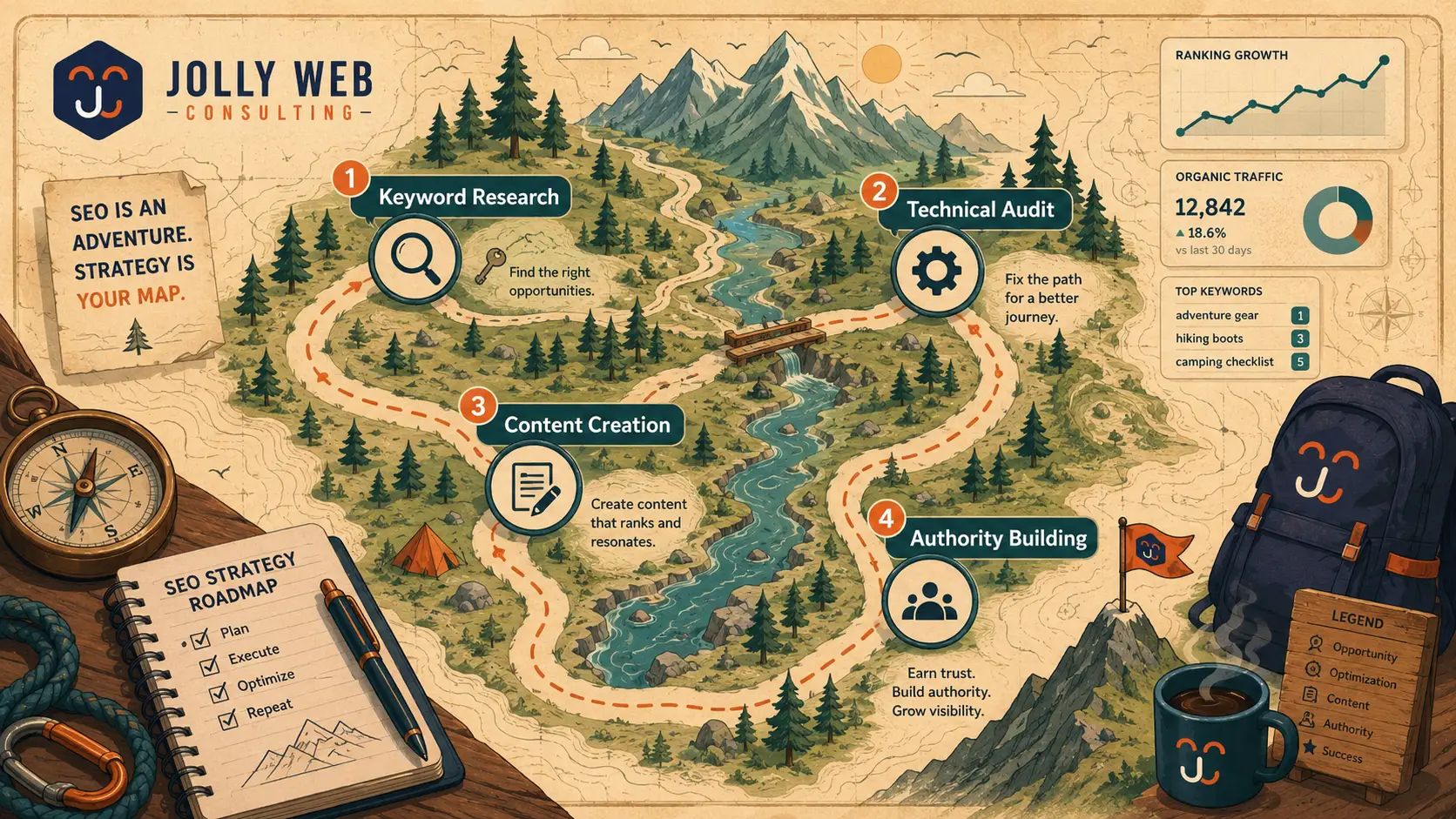
Jolly Web Consulting developed and implemented a full-site SEO and adventure tourism marketing strategy focused on technical improvements, destination-led keyword targeting, content creation and on-page optimization.
Within months of implementation:
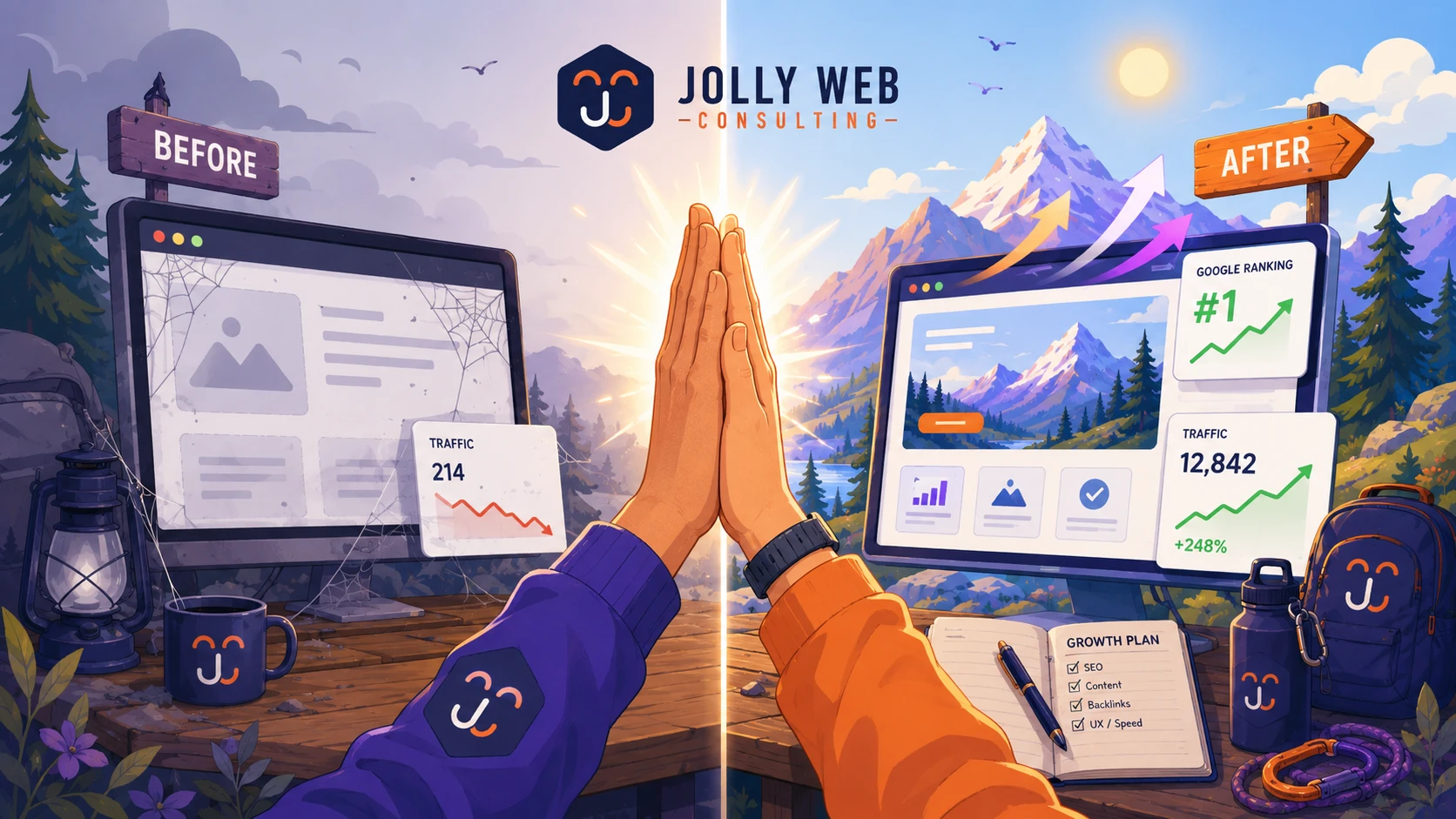
- Organic traffic increased by 250%.
- The number of ranking keywords increased by more than 10%.
- Several high-volume travel terms reached page one of Google.
- SEO-optimized trip pages generated a noticeable increase in enquiries and bookings.
The result was a more sustainable organic acquisition channel that helped Fit4Adventure fill trips faster while reducing its reliance on paid advertising.
Adventure tourism marketing is one of those areas where the gap between the quality of a company’s real-world experiences and its online visibility can be surprisingly wide.
The tours may be unforgettable. The destinations may be spectacular. The photography may immediately make someone want to pack their bags. But unless potential travellers can find those experiences while searching online, bookings can still go to competitors with a stronger digital presence.
That was the challenge facing Fit4Adventure.
The international travel company already offered an extensive range of guided adventure tours across Europe, the United States and beyond. What it needed was an adventure tourism marketing strategy that would make those trips easier to discover, explore and book online.
Who Is Fit4Adventure?
Fit4Adventure is an international travel company specialising in guided adventure tours.
Its trips include experiences such as hiking through the Dolomites, cycling along the Portuguese coast and exploring the Greek islands. The company offers adventures across Europe, the United States and destinations further afield, giving travellers the opportunity to experience each location through an active, guided itinerary.
The strength of the company was already evident in the variety and quality of its tours. The challenge was making those trips easier for potential customers to discover online.
People were already searching for the kinds of experiences Fit4Adventure provided. However, the website was not consistently appearing for many of the destination-specific and activity-led searches that could lead directly to an enquiry or booking.
The issue was not the product. It was visibility.
Where Things Stood Before We Started
Fit4Adventure had a wide range of tours, but its website structure and search strategy did not fully reflect the scale of that offering.
Individual trip pages needed to be better aligned with the phrases prospective customers were using when planning their holidays. Important destination and activity pages also required stronger titles, descriptions, headings, internal links and supporting copy.
The website needed to reach US travellers searching for international adventure experiences, particularly those looking for specific guided trips rather than broad travel inspiration.
Relevant searches included:
- Guided hiking tours in Italy
- Hike the Dolomites
- Greek island adventure
- Adventure travel groups for over 50s
- Guided cycling tours in Portugal
These searches may attract smaller audiences than broad phrases such as “adventure travel”, but the people using them are often much closer to choosing a destination, comparing providers or booking a trip.
There were also technical and structural improvements to make. Search engines needed to be able to crawl the website efficiently, understand the relationship between its destinations and trip categories, and identify which pages were most important.
The opportunity was clear: connect Fit4Adventure's existing tour offering with the search demand that already existed.
The Adventure Tourism Marketing Strategy We Built
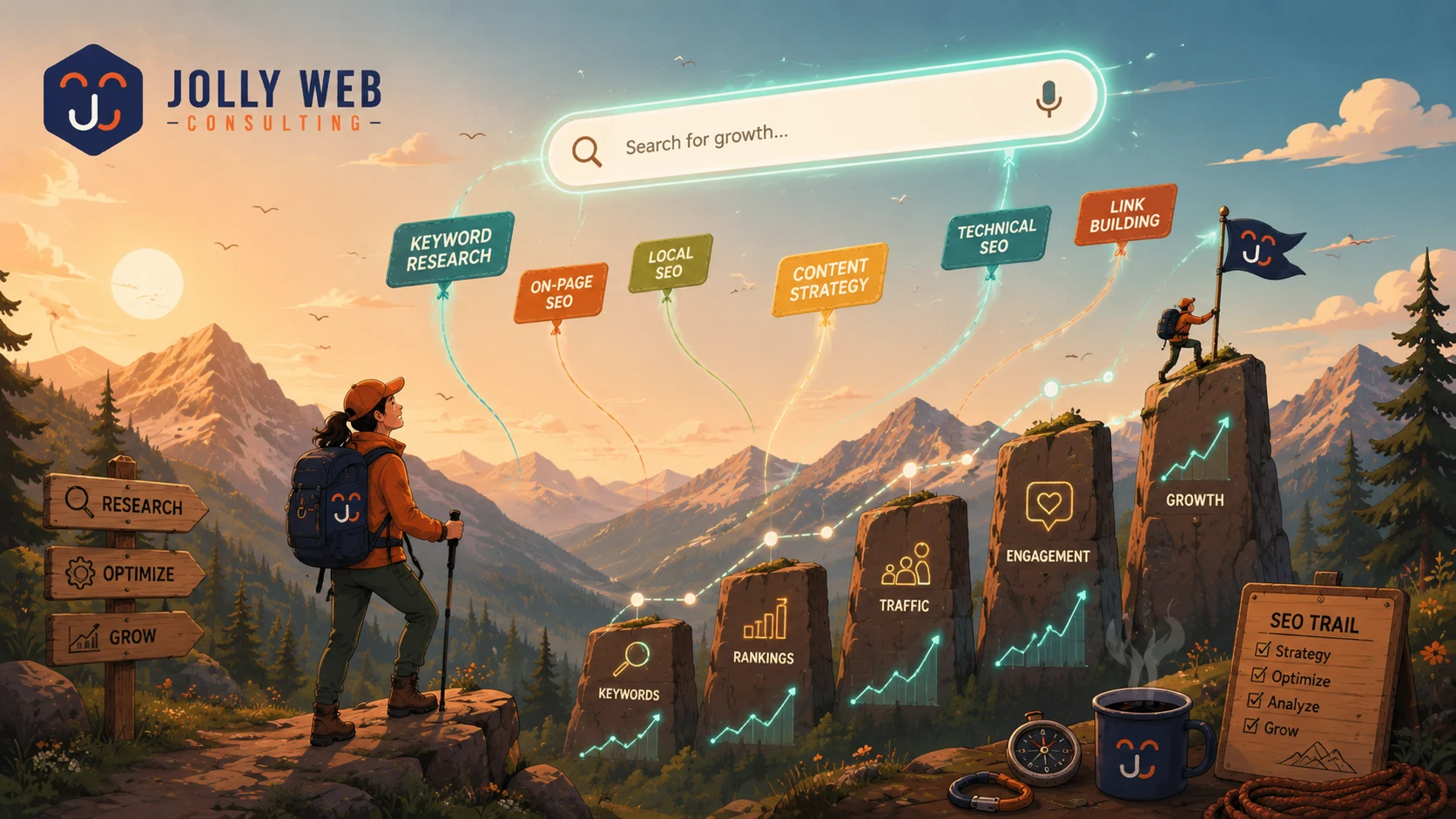
Our adventure tourism marketing strategy combined keyword research, on-page optimisation, content development, structured data and technical SEO improvements.
Rather than treating each task as a separate deliverable, we built them into one coordinated strategy designed to improve both search visibility and conversions.
In-Depth Keyword Research
We began by researching how US travellers search for guided adventure holidays abroad.
This involved looking beyond broad, highly competitive travel phrases and identifying more specific searches connected to:
- Individual destinations
- Particular outdoor activities
- Guided and group travel
- Traveller age groups
- Seasonal demand
- Different stages of the booking journey
We mapped these searches against Fit4Adventure's existing destinations, trip categories and individual tour pages.
This allowed us to identify where an existing page could be optimized and where a new landing page or blog article was needed.
It also helped us avoid creating multiple pages that competed for the same keyword. Each priority page was given a clear search purpose based on the traveller, destination and type of adventure it was intended to attract.
On-Page Optimisation Across More Than 30 Pages
We optimised more than 30 important pages across the website.
The work included improving:
- Meta titles
- Meta descriptions
- Page headings
- Internal links
- Copy structure
- Keyword targeting
- Calls to action
The objective was not to force keywords unnaturally into the website. It was to make every page clearer for prospective travellers and search engines.
A visitor landing on a trip page should quickly understand where the trip takes place, what the experience involves, who it is suitable for and what they should do next.
At the same time, Google should be able to understand which searches the page is relevant to and how it relates to the rest of the website.
Internal linking was particularly important. Relevant blog articles, destination pages and trip pages were connected more deliberately, creating clearer paths through the website and helping authority flow towards commercially important pages.
Blog and Landing Page Creation
Some search opportunities could not be addressed by editing existing pages alone.
We therefore created blog content and landing pages targeting longer, more specific searches such as:
- Best adventure travel groups for over 50s
- Guided hiking tours in Italy
- Active holidays in Europe
- Guided adventure tours for solo travellers
- How to prepare for a multi-day hiking trip
These searches allowed Fit4Adventure to reach travellers earlier in the research process.
Someone may not initially search for a particular tour company. They may begin by comparing hiking regions, researching the best destinations for an active holiday or deciding whether a guided group trip is right for them.
By answering those questions, Fit4Adventure could become part of the customer’s decision-making process before they were ready to book.
The content was also connected to relevant destination and trip pages through internal links, giving readers a natural route from researching an idea to exploring an available tour.
Structured Data Markup
We implemented structured data markup where appropriate to help search engines interpret the information on Fit4Adventure's pages.
This included markup relating to elements such as frequently asked questions, reviews and other relevant page information.
Structured data does not guarantee that Google will display an enhanced search result. However, it can make a page eligible for certain rich-result features and help search engines understand its content more accurately.
This was particularly valuable for tour and informational pages containing details that could otherwise be difficult for search engines to interpret consistently.
Technical SEO Improvements
Content is far less effective when technical issues prevent search engines from accessing, understanding or properly evaluating a website.
We completed a technical SEO audit and addressed issues affecting performance, crawlability and the mobile experience.
The work included:
- Reviewing how search engines crawled the website
- Improving the site structure
- Refining internal linking
- Addressing page-speed issues
- Improving mobile usability
- Reviewing metadata coverage
- Identifying duplicate or competing pages
- Making priority trip pages easier to discover
These improvements created a stronger foundation for the keyword and content work.
They also supported the user experience. Adventure travellers frequently research trips on mobile devices, so pages needed to load efficiently and remain easy to navigate on a smaller screen.
Ongoing Tracking and Refinement
Adventure tourism marketing is not a one-time website update. Search patterns, destination interest and seasonal demand continue to change.
We monitored Fit4Adventure performance using tools including SEMrush and Google Search Console, reviewing:
- Keyword movement
- Search impressions
- Organic clicks
- Page-level traffic
- Engagement
- Performance of newly published pages
- Changes in destination and seasonal demand
This allowed us to identify which pages were gaining visibility, where rankings had stalled and which opportunities deserved further attention.
Existing pages could then be refined based on real performance data rather than assumptions.
How the Work Progressed
The first stage focused on research and the website’s technical foundation.
We reviewed the existing pages, mapped the relevant keyword landscape and identified the destinations and tours with the strongest organic opportunities.
The next stage focused on improving priority trip and category pages. Metadata, headings, page copy and internal links were updated so that each page had a clearer search purpose.
New content was then developed to address gaps in the customer journey. This included informational searches as well as more commercially focused destination and activity queries.
As Google recrawled the improved pages and began discovering the new content, rankings and traffic started to move.
Performance data from SEMrush and Google Search Console was used to refine the strategy further. Pages beginning to gain impressions could be strengthened, while new keyword opportunities could be added to the content plan.
Within months, this combination of technical improvements, page optimisation and strategically targeted content produced substantial organic growth.
A Strategic Insight Worth Keeping
One of the most important parts of the campaign was matching the type of page to the intention behind each search.
A traveller searching for “hike the Dolomites” may be looking for information about the experience, but they may also be actively comparing guided tours.
Someone searching for “best adventure travel groups for 50+” may still be exploring their options and need reassurance about the group dynamic, fitness requirements and style of travel before considering a particular trip.
Those searches should not automatically lead to the same type of page.
Some keywords are best served by a detailed tour page. Others need an educational article, destination guide or dedicated landing page.
By understanding what the traveller was trying to accomplish with each search, we could create a more useful experience and give every page a clearer role in the customer journey.
That alignment between search intent, page content and the company’s available trips is a crucial part of effective adventure tourism marketing.
The Results
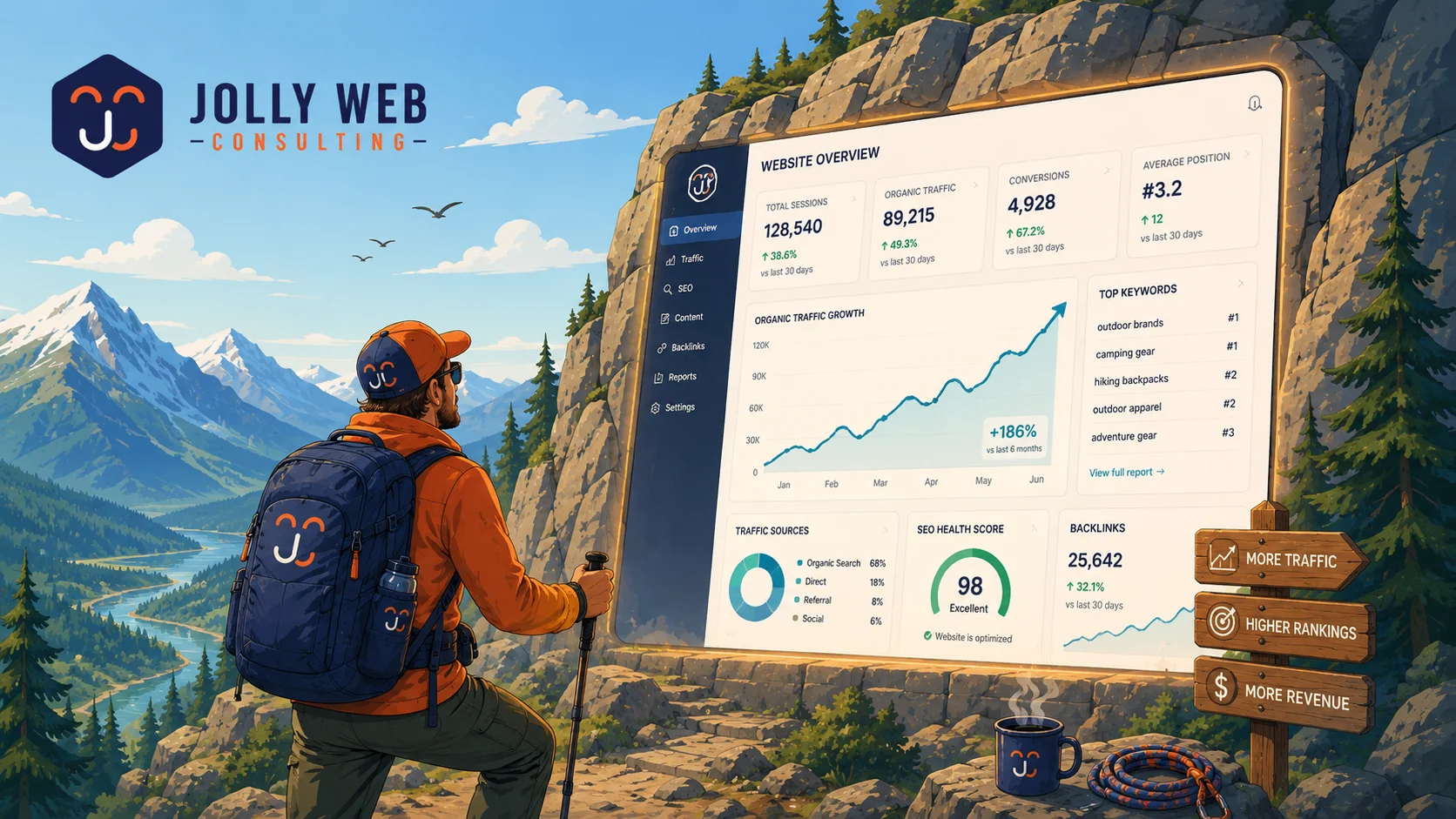
Within months of implementing the strategy, Fit4Adventure experienced a 250% increase in organic traffic.
The number of keywords the website ranked for also increased by more than 10%, with several high-volume travel searches reaching page one.
These gains were not limited to informational blog traffic. SEO-optimized trip pages began generating a noticeable increase in direct enquiries and bookings.
This meant organic search was reaching people who were not simply browsing travel content. It was attracting potential customers with a genuine interest in the destinations and guided experiences Fit 4 Adventure offered.
The growth helped the company:
- Make individual trips easier to find
- Reach more US travellers searching for adventures abroad
- Generate enquiries from organic search
- Fill trips more efficiently
- Reduce its reliance on paid advertising
- Build a more sustainable acquisition funnel
Just as importantly, the website became a more useful representation of the company’s complete tour offering.
Why Adventure Tourism Marketing Benefits From SEO
Adventure travel customers tend to complete a significant amount of research before making a booking.
They compare destinations, itineraries, fitness requirements, accommodation, group sizes, tour providers and available dates. They may begin researching months before they are ready to commit.
That creates multiple opportunities for an adventure travel company to become part of the customer journey.
A prospective traveller might first discover a company through a destination guide. They may then read about the benefits of joining a guided trip, explore a particular itinerary and return later when they are ready to enquire.
A strong adventure tourism marketing strategy ensures the company can appear at each of those stages.
It also gives smaller and specialist travel companies an opportunity to compete with larger providers. A company does not necessarily need the largest advertising budget when it has pages that accurately answer the specific questions its ideal customers are searching for.
For brands with a strong range of experiences but limited organic visibility, much of the demand may already exist. The challenge is creating the website structure and content required to capture it.
Frequently Asked Questions
What is adventure tourism marketing?
Adventure tourism marketing is the process of promoting active and experience-led trips to travellers interested in activities such as hiking, cycling, climbing, kayaking and guided exploration.
A successful strategy may include SEO, content creation, social media, email marketing, paid advertising and partnerships. The objective is to connect the right traveller with the right destination or experience at the appropriate stage of their decision-making journey.
How quickly can an adventure travel company see results from SEO?
SEO results depend on the condition of the website, the competitiveness of the target searches and the amount of work required.
Technical improvements and highly specific keyword targets may begin producing movement relatively quickly, while more competitive destination and travel terms can take longer.
For Fit4Adventure, meaningful traffic and ranking improvements became visible within months of implementation.
Is SEO useful for specialist or smaller travel companies?
Yes. SEO can be particularly valuable for specialist travel companies because they can target specific destinations, activities and traveller needs.
A smaller provider may struggle to compete for a broad phrase such as “holidays in Europe”, but it may have a strong opportunity to rank for a more relevant search such as “guided Dolomites hiking tour”.
These specific searches often have clearer intent and can attract visitors who are more likely to enquire.
What makes adventure tourism marketing different from marketing in other travel sectors?
Adventure travel searches are strongly influenced by destination, activity, season, experience level and traveller preferences.
The buying journey is also research-intensive. Customers often need detailed information about itineraries, fitness requirements, equipment, group sizes and safety before booking an active or guided trip.
An effective strategy therefore needs to combine commercial trip pages with useful informational content that supports the traveller throughout the decision-making process.
Does every trip need its own optimized page?
Trips with distinct destinations, activities or itineraries will generally benefit from having a dedicated page.
However, each page must contain enough original and useful information to justify its existence. Creating a large number of thin or repetitive pages can make the website harder to navigate and may cause pages to compete with one another.
The site structure should be planned around genuine differences in the trips and the way customers search for them.
Do we need to publish a large number of blog articles?
A high volume of content is not automatically better.
A focused collection of well-researched articles targeting relevant searches will usually be more valuable than publishing large quantities of generic travel content.
Every article should have a clear audience, keyword target and connection to the company’s destinations or trips.
Can Jolly Web Consulting manage both the strategy and implementation?
Yes. Our adventure tourism marketing and SEO work can include keyword research, technical auditing, content planning, writing, on-page optimisation, structured data and ongoing performance analysis.
Keeping these areas connected ensures that technical, content and commercial decisions all support the same organic growth strategy.
Ready to Improve Your Adventure Tourism Marketing?
Fit4Adventure already had the destinations, guided experiences and tour range its audience was looking for. The missing piece was a search strategy that made those experiences easier to discover.
Through technical improvements, the optimization of more than 30 pages, targeted content and ongoing refinement, organic traffic increased by 250%, keyword visibility grew and SEO-optimized trip pages generated more enquiries and bookings.
If your travel or adventure brand offers an outstanding experience but its organic visibility does not reflect it, there may be significant untapped search demand.
Get in touch with Jolly Web Consulting to explore how adventure tourism marketing and SEO could become more sustainable sources of traffic, leads and bookings for your business.

Founder, Jolly Web Consulting
Jolly Web Consulting is a Boulder, CO-based digital marketing agency helping outdoor and premium brands grow through SEO, Webflow, Shopify, paid ads, and email marketing. Since 2010, Hayden has built accessible, high-performing websites focused on traffic, conversion, and long-term customer growth.


