Content Marketing for Adventure Tourism: Strategy Guide
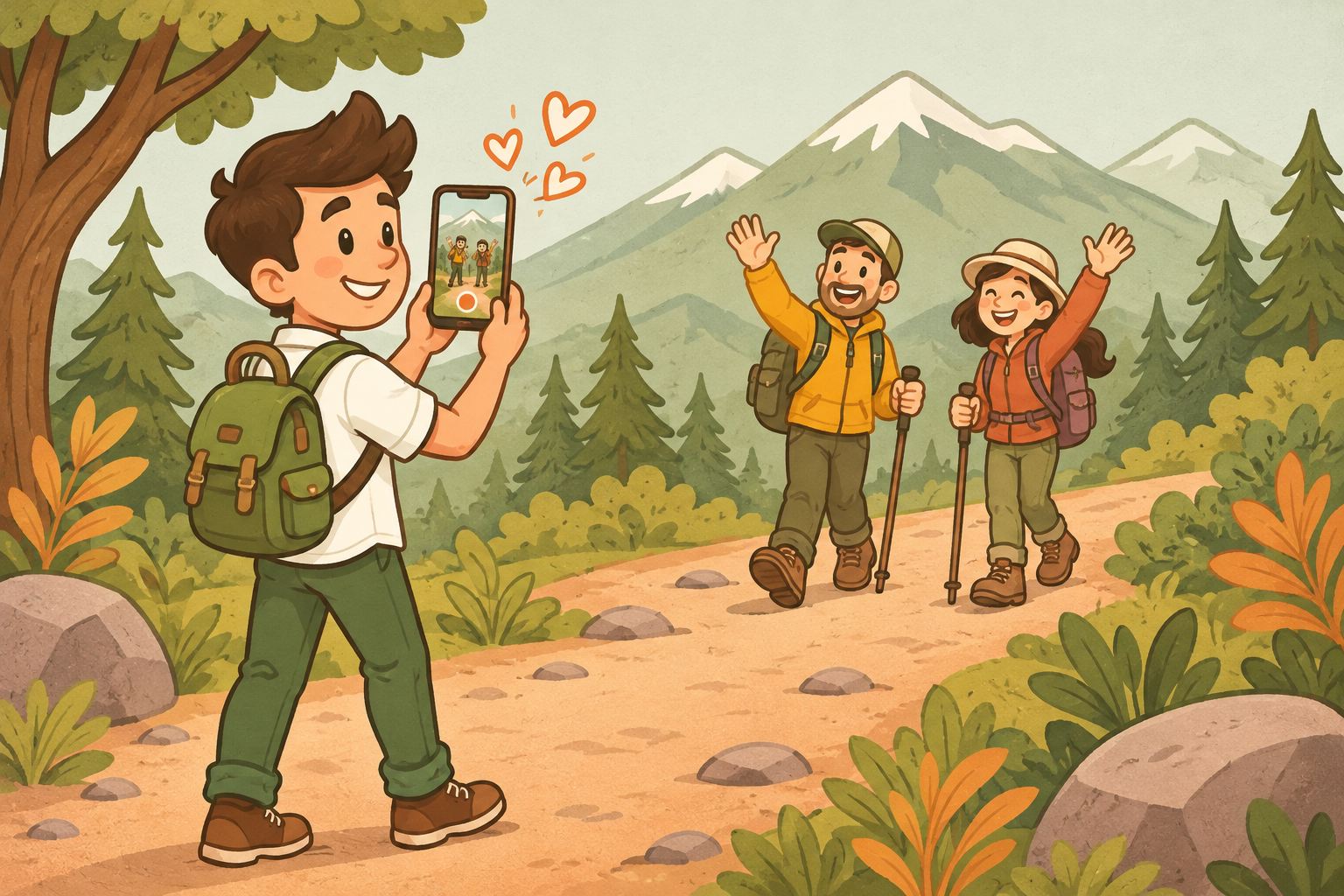
Adventure tourism is one of the most visually rich, emotionally charged categories in the entire travel industry. People don't just book a rafting trip or a backcountry ski tour out of convenience. They do it because something inside them is pulling toward the unknown. Your content marketing job is to meet that pull with the right story, at the right moment, on the right channel. That's not just good marketing strategy. That's how lasting brands are built in this space.
In Brief
If you're short on time, here's what matters most:
- Adventure tourism brands need story-driven content that maps to each stage of the customer journey: awareness, consideration, and conversion.
- SEO, social, email, and video should work together as one connected content system, not as separate tactics.
- User-generated content and real guest reviews are trust signals that drive bookings more than polished brand copy ever will.
- Partnering with UGC creators gives you authentic, scalable content without the overhead of a full production team.
- A smart content strategy turns curious outdoor enthusiasts into repeat customers and vocal advocates.
Content marketing for adventure tourism works differently than it does for most industries. Your audience is not passive. They research obsessively, watch hours of trip footage before committing, ask questions in forums, and read every review they can find. They want to feel the trip before they book it. If your content doesn't create that feeling, someone else's will.
This guide breaks down exactly how to build a content strategy that attracts the right outdoor adventurers, earns their trust, and converts them into guests who come back and bring their people with them.
Start With the Customer Journey, Then Build Content Around It
Most adventure tourism brands make the mistake of creating content that only talks to people who are ready to book. In reality, the journey from "I want to try something wild this summer" to "I just booked a 7-day kayaking expedition" takes weeks, sometimes months. Your content needs to show up at every phase of that process.
Think of it in three stages:
- Awareness - This is where your audience is dreaming. They're watching trail videos at midnight, saving Instagram posts of alpine lakes, and Googling things like "best adventure trips in the Pacific Northwest." Here your content should inspire, not sell. Think long-form blog guides, cinematic short videos, and organic social posts that capture the feeling of being out there.
- Consideration - Now they're comparing options. They want to know what's included, how hard the trip is, who the guides are, and whether other people had a great time. This is where reviews, trip breakdowns, FAQ content, and email nurture sequences do the heavy lifting.
- Conversion - They're close to booking. Clear landing pages, testimonials, trust signals, and a frictionless booking experience close the deal. Your content at this stage should answer the last remaining doubts and make it easy to say yes.
When your content maps cleanly to these three phases, you stop wasting budget on the wrong messages at the wrong time, and you start building a funnel that actually works for adventure tourism bookings.
SEO Is Your Long Game (and It Pays Off Big)
Search is where intent lives. When someone types "guided canyoneering trips in Utah" or "best surf camps for beginners in Costa Rica," they are actively looking for what you offer. Content marketing for adventure tourism needs a strong SEO foundation, because organic traffic compounds over time in a way that paid ads never will.
Start with a core set of destination and experience-based keywords. Build blog content around them. Cover topics like gear guides, what to expect on a specific type of trip, comparison posts between destinations, and seasonal guides. Every piece of SEO content you publish is a new door into your website that stays open indefinitely.
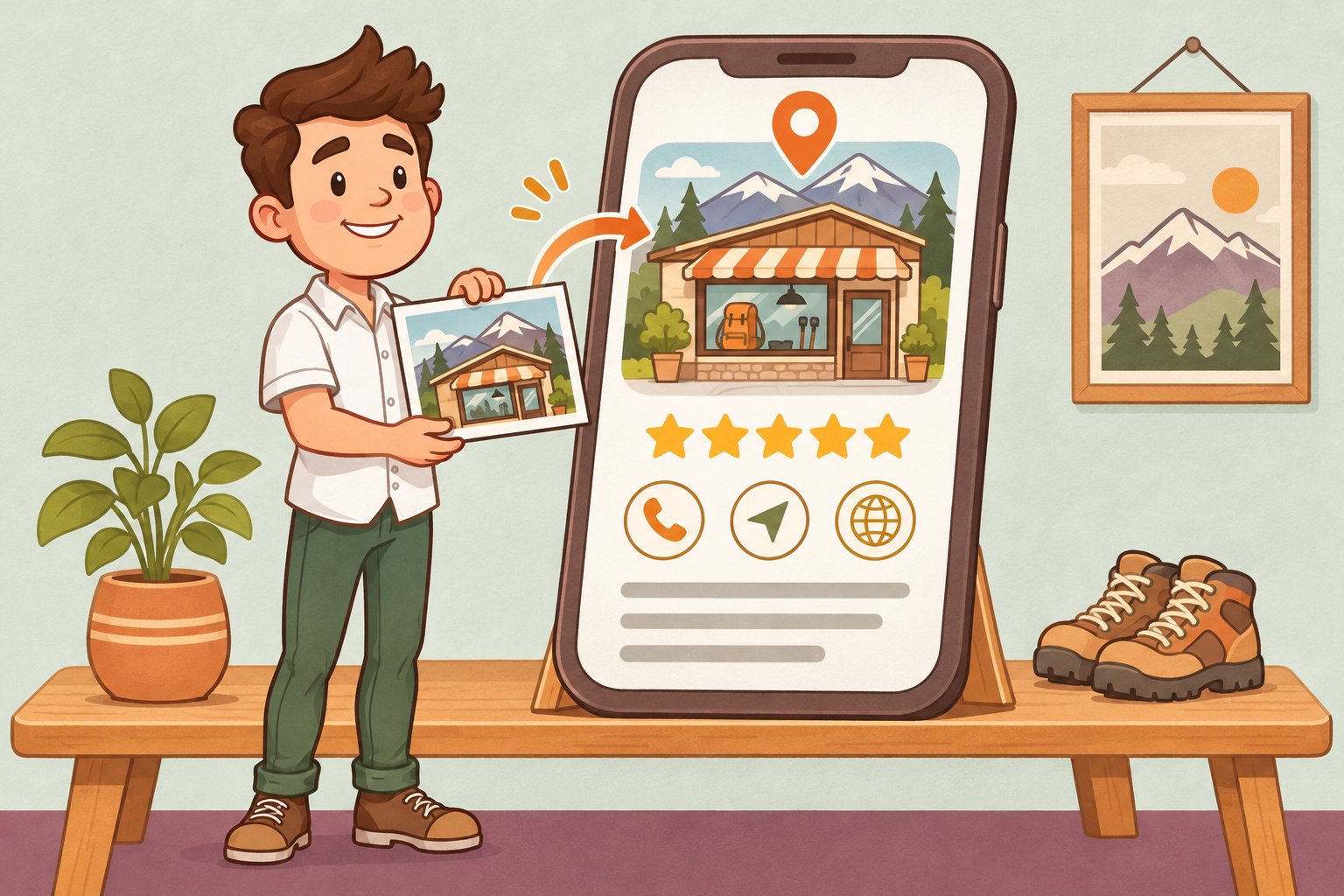
Don't overlook local SEO either. If you operate in a specific region, you want to be visible when people search for adventures in that area. That means location-specific pages, Google Business profile optimization, and content that speaks directly to the geography and culture of where you operate.
Social and Video: Where the Story Gets Felt
In adventure tourism, visuals are everything. A well-shot 60-second clip of someone cresting a ridge at golden hour does more emotional work than three pages of trip description copy. Social media and video are where you build desire at the awareness stage and keep your brand alive in the minds of people who haven't booked yet.
Instagram and TikTok reward consistency and authenticity over production perfection. Behind-the-scenes content, guide introductions, day-in-the-life trip clips, and real guest moments perform incredibly well because they feel honest. The outdoor audience has a highly tuned radar for anything that feels staged or over-polished. Raw and real wins.
YouTube is a different beast entirely. Longer-form trip documentation, destination explainers, and gear talks live well on YouTube because that audience is in research mode. A 12-minute video walking someone through what a day on your whitewater expedition looks like can be the deciding factor in a booking. It also feeds directly into your SEO strategy because YouTube is the second largest search engine in the world.
Across all of these channels, cross-promotion is key. A blog post becomes a social caption. A YouTube video gets clipped into Reels. An email campaign links back to your best content. When these channels talk to each other, your content works harder for the same investment.
UGC Creators and Real Guest Reviews Are Your Most Powerful Assets
Here's a strategic truth that a lot of adventure tourism brands underestimate: your guests are your best content creators. People who have actually done your trip and loved it carry more persuasive power than any brand campaign you could produce.
User-generated content, or UGC, comes in two flavors. The first is organic, where guests naturally share their experience and tag your brand. The second is partnered UGC, where you intentionally work with micro or nano creators in the outdoor and adventure space to document trips in exchange for compensation or experience access.
The outdoor adventure community trusts people who look like them. A 23-year-old van-lifer documenting their first multi-day canyoneering trip with your guide company will resonate with your target audience in a way that a professionally shot brand video simply won't. That authenticity is worth investing in.
Reviews deserve their own spotlight here. In adventure tourism specifically, where people are spending real money and putting their physical experience in someone else's hands, reviews are mission-critical trust signals. Google reviews, TripAdvisor, and platform-specific ratings shape booking decisions constantly. Build a systematic process for collecting reviews after every trip. Make it easy, timely, and genuine. Respond to every review publicly, both positive and negative, because how you handle feedback tells prospective guests as much as the review itself.
Email Marketing: The Channel That Converts While You Sleep
Social media reaches people when the algorithm decides. Email reaches them when you decide. For adventure tourism brands, email is the most controllable and often most profitable content channel you have.
A strong email strategy in this space includes several types of sequences. First, a welcome series for new subscribers that introduces your brand story, your guides, your values, and your best content. Second, a nurture sequence for people who have expressed interest in a specific trip or destination but haven't booked yet. Third, a post-trip sequence that collects reviews, offers referral incentives, and plants the seed for a return visit. And fourth, a seasonal broadcast calendar that keeps your audience warm between campaigns.
The content inside these emails should feel like it comes from a person, not a marketing department. Share real stories from the trail. Include photos from recent trips. Let your guides have a voice. The brands that treat email like a conversation rather than a broadcast consistently see higher engagement and conversion rates.

Strategic Insight: How a Single Content Pillar Can Drive Multi-Channel Growth
Consider an adventure tour operator running guided multi-day hiking trips in the Colorado Rockies. Instead of creating disconnected posts and ads, they build one content pillar: a comprehensive guide called "Everything You Need to Know Before Your First Multi-Day Hike in Colorado." That single piece of content becomes the foundation of an SEO blog post, a YouTube video walkthrough, a five-part email series for new subscribers, a series of Instagram carousel posts, and the basis for a paid search landing page. Every channel feeds from the same story, and the brand shows up cohesively wherever their audience is looking. That's what content marketing for adventure tourism looks like when it's working properly.
Bringing It All Together With a Clear Content Calendar
A strategy without a calendar is just intention. The brands that consistently show up for their audience are the ones with a plan for what gets published, on which channel, and when. Your content calendar should map to your booking season, your trip availability, and the natural curiosity cycles of your audience. More people are searching for summer adventure trips in January and February than in July. Your content needs to be live and ranking before the intent peaks, not after.
Quarterly content themes help maintain focus. One quarter might be centered on "Why guided trips are worth it" and another on "Best destinations for first-time adventure travelers." Every piece of content produced that quarter ladders up to the theme, making your brand feel cohesive across every touchpoint.
Frequently Asked Questions
How often should an adventure tourism brand be publishing content?
Consistency matters more than volume. One well-written SEO blog post per week, combined with three to five social posts and one email per month, is a solid baseline for most small to mid-sized adventure tourism operators. Scale up once you have systems in place.
What type of content actually drives bookings in adventure tourism?
Reviews and testimonials close more bookings than any other content type. After that, detailed trip itineraries, authentic video content, and SEO-optimized blog posts that answer real pre-trip questions are the most effective drivers of conversion.
How do you get guests to leave reviews?
The simplest approach is a post-trip email sent within 24 to 48 hours of the experience ending. Keep the ask direct and warm. Include a specific link to your Google or TripAdvisor page. People are most motivated to share right after a powerful experience, so timing matters enormously.
Should adventure tourism brands work with influencers?
Yes, but think smaller. Micro and nano creators in the outdoor and adventure space often have tightly engaged audiences that align perfectly with your target traveler. They tend to be more affordable, more authentic, and more willing to create detailed content than larger influencers who are spread thin across categories.
How does email marketing fit into an adventure tourism content strategy?
Email is the most direct line you have to people who are already interested in what you do. It nurtures undecided prospects, re-engages past guests, and drives repeat bookings. It also works independently of social algorithms, which makes it one of the most reliable channels in your mix.
Ready to Build a Content Strategy That Fills Your Booking Calendar?
Content marketing for adventure tourism is not complicated, but it does require intention, consistency, and the right strategic foundation. When your SEO, social, video, email, and review strategy all tell the same story, your brand stops being just another option and starts being the obvious choice for your ideal traveler.
If you're an adventure tourism brand looking to connect those dots and build a content system that actually drives growth, we'd love to talk through what that looks like for your specific business. Explore what we do at Jolly Web's services page or reach out directly at jollyweb.co/contact. Let's build something worth talking about.

Founder, Jolly Web Consulting
Jolly Web Consulting is a Boulder, CO-based digital marketing agency helping outdoor and premium brands grow through SEO, Webflow, Shopify, paid ads, and email marketing. Since 2010, Hayden has built accessible, high-performing websites focused on traffic, conversion, and long-term customer growth.


